
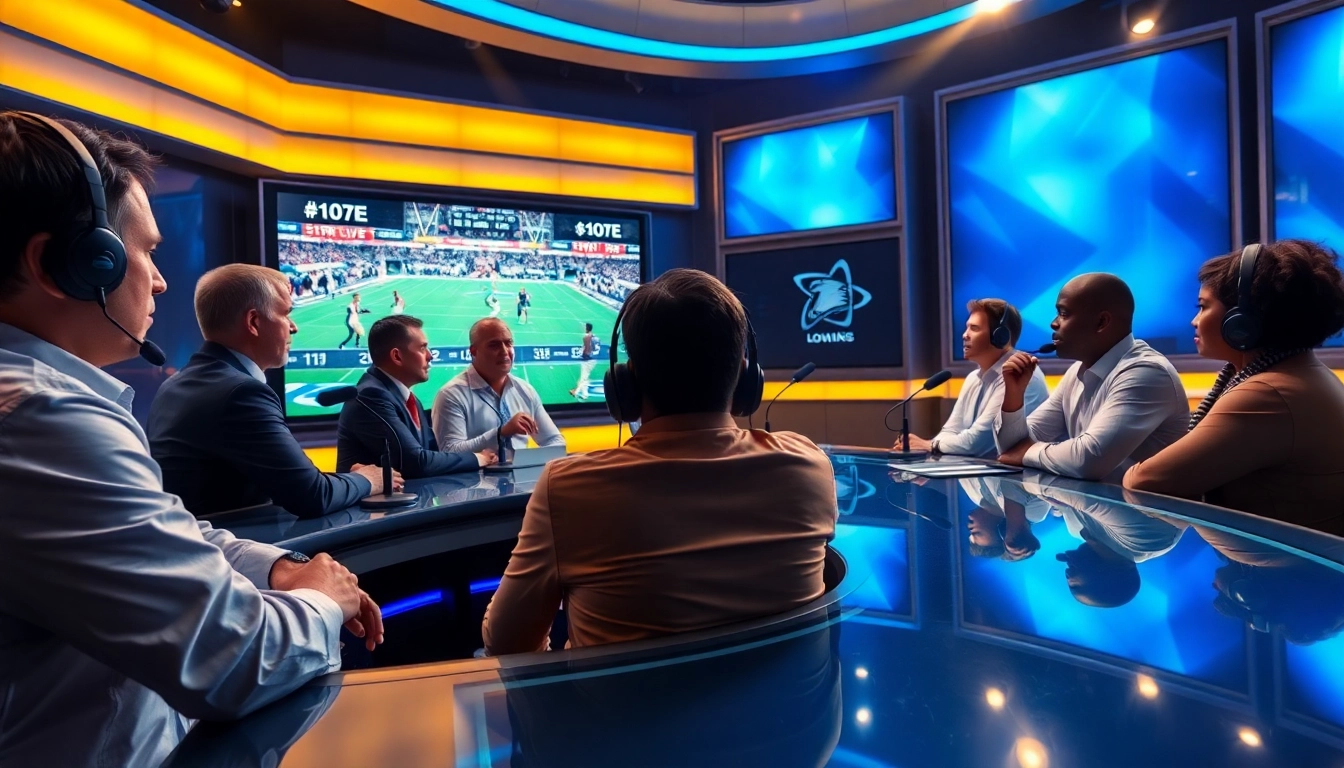
Understanding Sports Broadcasting
The Essence of Sports Broadcasting
Sports broadcasting plays a critical role in the modern sports ecosystem, bridging the gap between event organizers and audiences worldwide. It encompasses the live or recorded coverage of sporting events, allowing fans to engage with their favorite teams and players from anywhere. The power of sports broadcasting lies in its ability to generate excitement, educate viewers about the nuances of the game, and foster a sense of community among fans. It is not just about delivering the game but also about storytelling and creating memorable experiences that resonate with viewers long after the final whistle. For more insights into Sports Broadcasting, it’s essential to delve deeper into its historical context and evolution.
History and Evolution of Sports Broadcasting
The journey of sports broadcasting dates back to the early 20th century, beginning with radio broadcasts in the 1920s. The inception of television in the 1940s revolutionized the industry, bringing live sporting events into households and transforming how fans consumed sports. Significant milestones include the first televised World Series in 1947 and the subsequent growth of sports networks in the latter half of the century, such as ESPN, which launched in 1979, further expanding the reach and variety of sports content available to viewers.
As technology advanced, so did the quality and scope of sports broadcasting. The advent of cable television in the 1980s enabled specialized sports channels, while the introduction of satellite broadcasting offered a global perspective. The internet and streaming platforms have now revolutionized the landscape. Today, sports fans can access live streams, highlights, and interactive content on various devices, marking a shift from traditional viewing habits to dynamic, on-the-go access.
Key Players in the Industry
The sports broadcasting landscape is populated by various key players, including television networks, streaming services, and sports leagues themselves. Traditional networks like NBC, CBS, and ABC continue to play a significant role in sports coverage, particularly for major events such as the Olympics and Super Bowl. Streaming platforms like Amazon Prime and Hulu have entered the fray, offering subscribers the chance to watch live sports without cable subscriptions. Moreover, social media platforms like YouTube and Facebook are increasingly hosting live sports events, fostering a new generation of sports fans who prefer to consume content digitally.
Sports leagues are also becoming more active in broadcasting by collaborating with media partners and producing their own streaming services. This trend empowers leagues to reach their audiences directly, offering exclusive content and tailored viewing experiences. These collaborations and developments are vital to shaping the future of how sports are broadcasted and consumed globally.
Technical Aspects of Sports Broadcasting
Equipment and Technology Used
At the heart of sports broadcasting lies a complex array of equipment and technology. From cameras to audio systems, every piece plays a pivotal role in delivering high-quality content. Multi-camera setups are standard to capture different angles, allowing viewers to feel as if they are part of the action. HD and 4K cameras have become commonplace, enhancing the visual experience with stunning clarity.
Audio quality is equally vital; professional microphones and sound mixers are used to ensure that commentary, crowd reactions, and on-field sounds are transmitted seamlessly. Advanced graphics technology is employed to render real-time statistics and replays, enriching viewer engagement. Additionally, the use of drones and remote cameras has expanded the possibilities for capturing unique aerial views, adding a fresh dimension to sports broadcasts.
Broadcasting Formats: Live vs Recorded
Sports broadcasts can be divided into two primary formats: live and recorded. Live broadcasting allows viewers to experience events in real-time, fostering a sense of immediacy and excitement. This format is crucial for live sports where results and outcomes are in flux. However, it comes with challenges such as managing technical glitches and broadcast delays, which require adept handling to maintain viewer satisfaction.
On the other hand, recorded broadcasts serve purposes such as highlights reels, post-event analysis, and editorial programming. These formats allow for editing and enhanced storytelling, enabling broadcasters to focus on key moments and insights. Both formats hold unique significance in the sports broadcasting landscape, meeting different audience needs and preferences.
Understanding Audio and Visuals
The combination of high-quality audio and visuals is foundational to a successful sports broadcast. Visual elements include not just live footage but also graphics, animations, and statistical overlays. The goal is to enhance the storytelling aspect of the broadcast, making it visually engaging and informative. For instance, on-screen replays and slow-motion capture can provide deeper insight into significant plays, giving viewers a thorough understanding of what transpired.
Audio elements are equally critical; they encompass commentary, crowd noise, and ambient sounds that contribute to the atmosphere of the event. Clear and professional commentary can guide viewers through the broadcast, offering insights and building suspense. The balance of these audio-visual components is essential for creating a cohesive and engaging viewer experience during sports broadcasts.
Audience Engagement in Sports Broadcasting
Strategies for Captivating Viewers
User engagement is paramount in sports broadcasting, with broadcasters employing various strategies to keep viewers captivated. One effective method is the use of interactive graphics that allow viewers to participate through polls or quizzes during broadcasts. Live statistics and player tracking add a layer of interactivity, making the viewing experience more engaging.
Furthermore, incorporating storytelling elements can significantly enhance viewer engagement. Broadcasters that highlight personal stories, rivalries, and historical context can draw viewers in and create emotional connections to the event. This strategy not only appeals to existing fans but also captures the interest of casual viewers, broadening the audience base.
The Role of Social Media
Social media has transformed how audiences engage with sports broadcasts. Platforms like Twitter, Instagram, and TikTok provide a space for real-time discussion, updates, and highlights. Broadcasters leverage these platforms to promote their content, offering teasers and behind-the-scenes glimpses that entice viewers to tune in.
Additionally, social media allows for a broader community interaction, where fans can express their opinions, share reactions, and connect with other fans. This interactivity boosts viewer loyalty and enhances the overall experience, making fans feel like an integral part of the event, even if they are not physically present.
Interactive Broadcasting: Enhancing Viewer Experience
Interactive broadcasting takes audience engagement to the next level by allowing fans to actively participate in the broadcast experience. Features like choose-your-own-commentary or customizable camera angles enable viewers to tailor their viewing to their preferences. This level of interactivity provides a more immersive experience, making fans feel more connected to the game and its participants.
Moreover, utilizing augmented reality (AR) and virtual reality (VR) technologies can further enhance the viewer experience. These innovations create an engaging environment that places viewers "inside" the game, offering unique perspectives and making every broadcast feel fresh and exciting.
Challenges in Sports Broadcasting
Navigating Legal and Regulatory Issues
Sports broadcasting operates under a complex web of legal and regulatory frameworks. Licensing agreements govern the rights to broadcast specific events, necessitating broadcasters to stay informed on compliance requirements. These agreements can be intricate and vary significantly by region, requiring expertise to navigate successfully.
Illegal streaming and piracy pose additional challenges, threatening the revenue ecosystem of sports broadcasting. Broadcasters must implement robust measures to protect their content, including encryption technologies and partnerships with law enforcement to deter illegal activity. Engaging legal experts to oversee compliance and protect broadcasting rights is vital in an ever-evolving legal landscape.
Managing Broadcast Delays and Errors
Broadcast delays and errors can significantly impact the viewer experience. Technical glitches, such as interrupted feeds or audio issues, require immediate attention to minimize disruption. Employing a skilled technical team and having backup systems in place can help mitigate these risks. Regular training and drills for staff can also prepare them for handling unexpected challenges during live broadcasts.
In addition, embracing advanced technology that can automatically detect and resolve issues, such as AI-driven diagnostics, enhances operational efficiency. Continuous monitoring of broadcasts helps identify and address potential issues before they affect viewers, maintaining a high standard of quality throughout the event.
Adapting to Changing Audience Preferences
Audience preferences in sports broadcasting are changing rapidly, influenced by factors like technology and cultural shifts. Modern viewers often prefer on-demand content and personalized viewing experiences over traditional linear broadcasting. To stay relevant, broadcasters need to adapt quickly to these evolving preferences by offering flexible viewing options, such as streaming services that allow users to watch events at their convenience.
Conducting regular audience surveys and using data analytics helps broadcasters understand consumer trends and tailor content that appeals to diverse demographics. By staying attuned to these changes, broadcasters can create engaging experiences that resonate with viewers.
Future Trends in Sports Broadcasting
The Impact of Streaming Services
Streaming services are reshaping the sports broadcasting landscape by offering alternatives to traditional cable packages. Many sports fans now prefer to subscribe to streaming platforms that provide access to multiple sports channels and replays, reflecting a shift in consumption habits. This trend allows viewers to tailor their subscriptions to their interests, enhancing user experiences.
As competition in the streaming sector intensifies, platforms are investing heavily in exclusive content and live sports rights, transcending geographic boundaries. This enables fans around the globe to access a more diverse array of sports content than ever before, heralding a new era of accessibility in sports broadcasting.
AI and Data Analytics in Broadcasting
Artificial Intelligence (AI) and data analytics are revolutionizing how broadcasters analyze audience behavior and optimize content delivery. AI algorithms can provide insights into viewer preferences and engagement, informing broadcasters on how to fine-tune their strategies for maximum impact. By leveraging predictive analytics, sports broadcasters can make data-informed decisions to enhance their programming and marketing efforts.
Furthermore, AI is increasingly being used in areas such as automated highlights generation, where algorithms can identify key moments in games and create engaging content rapidly. This not only saves time but also enriches viewer interaction by delivering relevant snippets of action directly to fans.
Innovations to Watch
As technology continues to advance, several innovations are set to change the future of sports broadcasting. One notable trend is the integration of virtual and augmented reality, which can provide immersive viewing experiences. Fans could virtually attend games or access real-time stats through AR devices, enhancing their connection to the sport.
Additionally, advancements in 5G technology will enable smoother streaming and faster data transmission, elevating the quality of live sports broadcasts. Interactive features, such as real-time fan feedback integration during events, will also enhance overall viewer engagement. Keeping an eye on these professional innovations will undoubtedly shape the future of sports broadcasting.
Frequently Asked Questions
What is the difference between live and recorded sports broadcasts?
Live broadcasts allow viewers to watch events in real-time, whereas recorded broadcasts showcase highlights and analyses after the event concludes. Both serve different audience needs.
How has technology affected sports broadcasting?
Technology has improved the quality of broadcasts through advanced cameras and graphics. It has also enabled streaming services to thrive, making sports more accessible to audiences worldwide.
What role does social media play in sports broadcasting?
Social media enhances audience engagement by allowing real-time discussions, highlights sharing, and direct interactions between fans and teams or broadcasters, creating communities around sports.
What challenges do sports broadcasters face today?
Key challenges include navigating legal regulations, managing broadcast errors, dealing with piracy, and adapting to changing viewer preferences in a competitive environment.
What trends should we anticipate in the future of sports broadcasting?
Anticipated trends include the rise of streaming services, advancements in AI and data analytics, and the integration of VR and AR for immersive viewing experiences.